
Virtual Models for Dating: A New Era in Online Romance
Опубликовано: 19.01.2026
Online dating has become a norm, shedding its once "weird" reputation. Yet, as dating apps flourished, so did user disillusionment—fake profiles, awkward chats, and unmet expectations. Enter virtual models for dating, digital companions reshaping the dating landscape.
The Unspoken Frustration of Online Dating
Picture this: You swipe, match, and start chatting. Initially, it's great, but soon the conversation feels scripted, emotions are flat, and meet-ups never materialize. Weeks later, you discover the profile was fake, or the person wasn't ready for a real connection.
For many, this leads to fatigue and mistrust, leaving them emotionally drained. This is where virtual models can surprisingly step in and help.

What Are Virtual Models for Dating?
Virtual models are crafted with 3D graphics and AI, resembling real people with distinct personalities and communication styles. In dating, they're used as:
- Safe, low-pressure conversation partners;
- Practice partners for those hesitant to start dialogues;
- Emotional support characters without strings attached.
Remember, this isn't about replacing humans. Virtual models address specific challenges in online dating, particularly around safety and emotional clarity.
How It Works: A Step-by-Step Guide
Step One: Choosing Your Virtual Model
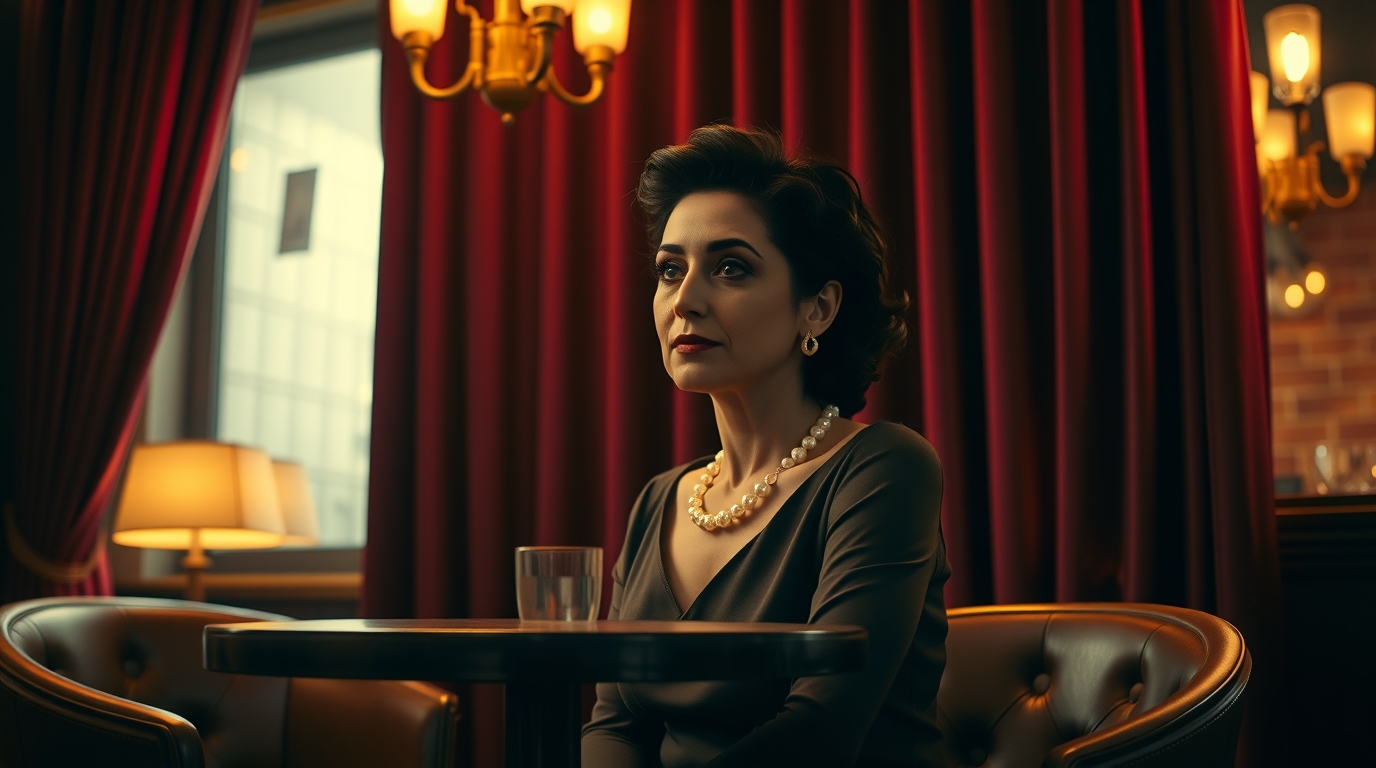
Users select models based on appearance, communication style, and personality. Whether you prefer calm and attentive or witty and energetic, the choice is yours, with fewer surprises.
Step Two: Pressure-Free Communication
Engage in chats without fear of judgment or being ignored. It's a safe space to practice conversations, express yourself, and regain confidence.
Step Three: Discovering Your Own Needs
Users often find that interacting with virtual models clarifies what they truly want from real dating—topics of interest, comfortable pacing, and personal boundaries.
Real-Life Stories
Consider this: A 35-year-old man, post-divorce, disillusioned by dating apps, finds solace in a virtual model. It helps him ease back into dialogue, judgment-free. Months later, he's ready to date again, with a fresh perspective.
Or a 28-year-old introverted woman, overwhelmed by real chats, finds a virtual model a calmer communication alternative. It helps her filter real profiles and avoid toxic interactions.
Why They're Trending in Russia
In Russia, where caution with strangers and emotional burnout are prevalent, virtual models offer controlled, safe communication. They minimize manipulation and awkward pauses, allowing users to interact at their own pace.

Limitations and Future Outlook
Virtual models won't cure loneliness or replace genuine human connection. They lack real emotions and the subtleties of face-to-face interaction. However, as tools for practice and confidence-building, they hold significant promise.
In the coming years, virtual models will likely become a staple in the online dating ecosystem—not as a replacement for people, but as a supportive, transparent format.
Conclusion
Virtual models aren't about escaping reality; they're a thoughtful way back to it. For those weary of online dating chaos, these digital companions offer a stable step towards new, real-world connections.

Ready to explore the world of virtual models? Take the first step towards a more intentional and fulfilling dating experience. Embrace the future of online romance today!